What To Do If You Think Your Partner Isn’t Giving You What You Need?
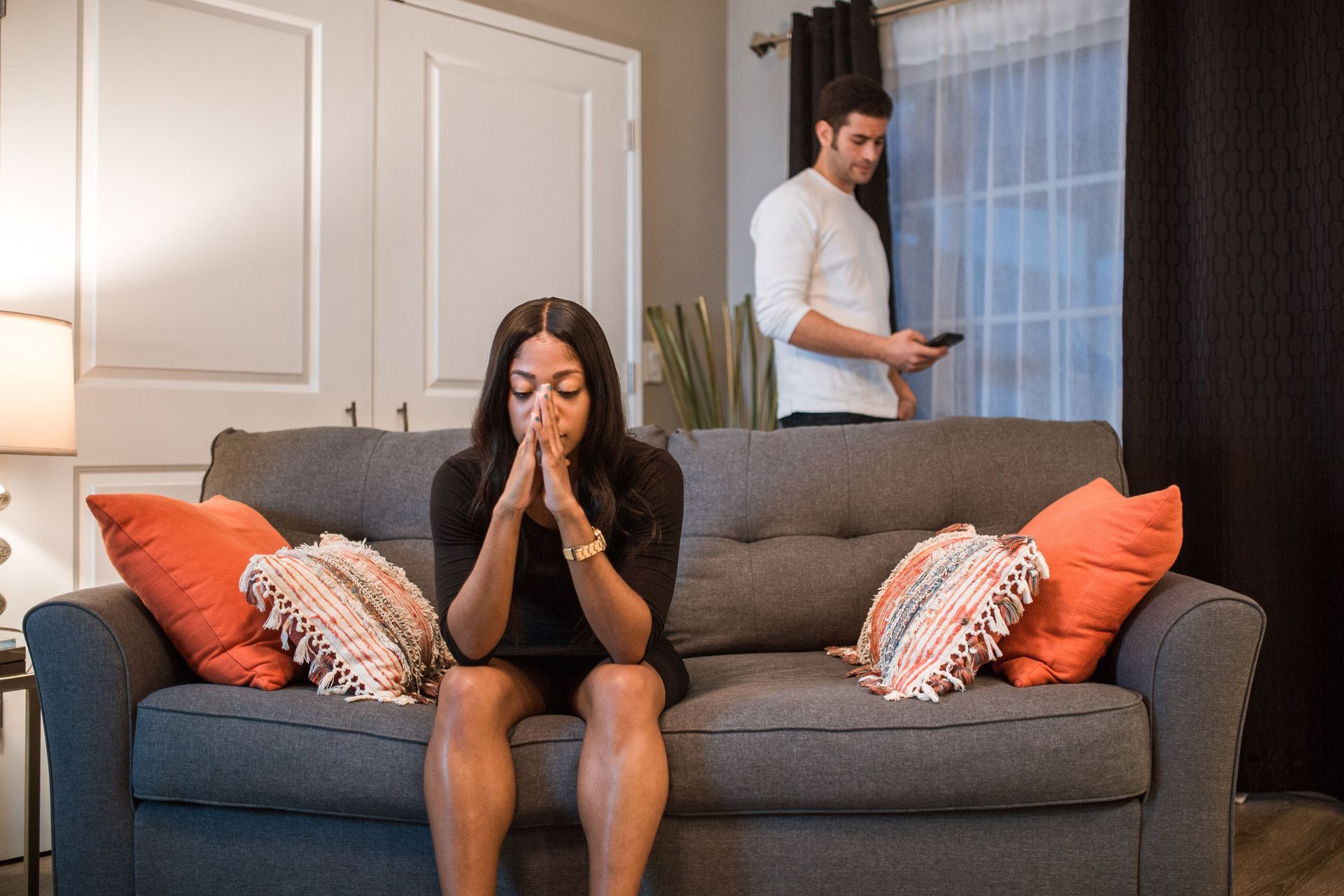
Is your partner neglecting you or your relationship?

Have they:
- Stopped doing romantic things like planning dates or telling you, “I love you”?
- Avoided asking you how you’re doing or feeling lately?
- Been too preoccupied with work, hobbies, or social media to pay attention to you?
- Made you feel unwanted, unsupported, and unloved?
Maybe you feel anxious and disconnected. It’s painful to think that you and your beloved may be growing apart, or falling out of love with each other.
You used to be so close and so happy together. But now you feel alone and sad.
Let’s get down to the real issue. It probably has nothing to do with what your partner is or isn’t giving you.
The Problem Isn’t That your Partner is Neglecting You and Your needs, the Problem is that you’re Neglecting Yourself.
Humans are social beings and we need each other. We need each other for companionship, sharing love, learning together, lovemaking, giving each other a helping hand and for physical tenderness and emotional support.
You want a hug when you’ve had a bad day and you want to be able to talk about the issues that speak to your heart with your beloved.
It’s normal to want and need your partner in these ways.
But there’s a difference between needing a loving human connection and being needy. While your partner or others would likely be happy to connect with you and help you if you were not needy, they may be repelled by neediness.
You become needy when:
- You don’t take responsibility for your own feelings of self-worth and well-being.
- You don’t take care of your physical health or you have addictions.
- You choose NOT to learn and grow, and become empty inside.
- You see yourself as a victim, blame others or God for your current circumstances.
- You judge yourself harshly.
When you are operating from neediness, you are avoiding painful feelings by blaming, numbing out with addictions, food, or TV or by depending on someone else for your sense of worth. When your partner criticizes or ignores you, you fall apart emotionally, because you don’t have a solid foundation of self-regard or self-love.
This type of neediness, where you are disconnected from yourself because you are not caring for or loving yourself is what I call self-abandonment.
You think you’re unhappy because your partner isn’t giving you what you need to feel good.
You’re right that you are not getting what you need, but you are not accurate about you needing your partner to make you feel good.
You are not getting what you need, because what you really need is to care for and value yourself, above all else.
Since you aren’t giving yourself the care, love and self-regard you need your partner can’t make your happy. As long as you are abandoning yourself, your partner’s love has nowhere to land. The key to your personal, sustainable
happiness lies within yourself.
Is the Key to Feeling Worthy and Loveable Having the “Right” Relationship?
Most people move into relationships to be loved, rather than to be loving. That’s why, when your partner doesn’t give you the love and attention you expect, you feel bad – lonely, sad, resentful or even angry.
Since most of us did not feel loved in the way we needed as children, or our parents did not role model loving themselves, we believe that only getting love will make feel good about ourselves.
That’s why we look for someone who we think will see us and value us, rather than learning how to see and value ourselves.
We believe that the only way we feel worthy and lovable is when someone we value loves us.
We think, if I just find the right person who will love me the way I want to be loved, everything will finally be okay.
We think that falling in love – and staying in love – is the key to feeling good.
When our partner demonstrates their love for us, we feel relaxed, appreciated and valued.
And when they neglect us or do or say something that feels rejecting, a kind of panic sets in. We start to worry that there’s something wrong with us, complain to ourselves about what they’re not giving us, and lament how disconnected we
feel. It’s a painful, sinking feeling.
But trying to get our partner to change, or even pondering what it might be like to start a new relationship with someone who may possibly love us better, isn’t going to solve the problem.
Here’s why….
We Pick Partners Who Share the Same Level of Self-Abandonment
In the beginning, you gave each other what you believe the other wanted in order to get the love you were both seeking.
Eventually, however, you had to resort to controlling tactics such as compliments, judgements, withdrawal, anger, people-pleasing behavior in order to get love from your partner.
When those tactics stop working, and your partner isn’t making you happy anymore, you may decide you’ve chosen the wrong partner. You may wonder if you should move on.
But then your next relationship may also start to fall apart in much the same way. Maybe you’ve noticed this about your past relationships.
Why do people tend to experience the same kind of relationship disappointment, no matter who they fall in love with?
Because we tend to pick partners who match our level of self-abandonment.
That means that the partners we choose are also looking to get love in order to feel good about themselves. If we don’t value ourselves, we attract lovers who likewise don’t value themselves, either.
The only way out of this sad cycle is to stop self-abandoning and take responsibility for loving yourself – for defining your own worth, taking loving care of yourself and filling yourself with love – then you’ll be filled with an abundance of love that you can share with your partner.
That’s how you can feel deeply content and at peace, no matter what your partner is doing or not doing, because you will have a wellspring of love and regard within yourself, for yourself, always.
How to Give Yourself the Love, Attention and Validation You’ve Been Trying to Get from Your Partner….and Heal Yourself and Your Relationship.
If you think about it, it makes so much sense that, as adults, someone else can never be the consistent source of love and validation that we all need.
No one is with you 24/7, and even if they are a caring and sensitive person, they do not live inside your body and cannot know what you feel and need, moment by moment. As much as you would like for this fantasy to be true, there is no way
it can be true.
That’s why you have to learn how to give yourself the love, attention, and validation you’ve spent your entire life looking to GET from others.
When you stop self-abandoning by taking loving care of yourself, you can create the relationship you’ve always wanted.
Even if you’re the only one who decides to learn to love yourself, your relationship might change enough to turn things around.
If it doesn’t and the relationship comes to an end, than at last you won’t be taking the same protective patterns into your next relationship. You have nothing to lose if you learn to love yourself.
Here are a few ways to love and care for yourself.
1. Plan interrupted time for you
2. Book a therapy session
3. Spend time in nature
4. Adopt a pet
5. Fill your home with things that make you smile
6. Go screen free
7. Give yourself permission to say no
8. Read a book
9. Carve out time for exercise
10. Reminder yourself or your worth (Avoid negative self-talk)
11. Meditate
12. Organize your space
13. Ask for what you need
14. Set boundaries
15. Journal
16. Take a bath
17. Take a social media break
18. Plan a date
19. Dance it out
20. Schedule time for your hobby
21. Schedule time with friends
22. Do conscious breathing
23. Try a new recipe
24. Honour and devote time to your spiritual needs
25. Cry it out
26. Call a friend
27. Invest in your sleep
28. Set goals
29. Talk to your inner child and soothe your “little”
30. Forgive yourself for your past mistakes and perceived wrongdoings
31. Let go of the past
32. Care about your nutrition and healthy eating
33. Play more
34. Keep to the promises that you have made to yourself.
35. Become who you aspire to be
36. Make a list of your strengths
37. Exercise – do yoga, go for walks
38. Make time for rest and relaxation
39. Spend time alone
40. Invest in your most fulfilling relationships.
Register for our Newsletter and receive a Free Love Chat Package
- The 5 Steps to a Better Relationship
- Ongoing Monthly Relationship Tips
- If you want more love in your life, our relationship Love Chat Package is an easy cost-free first step.