
The Love Chat

Anger rarely begins where we think it does. We may notice the sharp tone, the clenched jaw, the criticism, the silent treatment, or the sudden need to prove that we are right. But beneath the visible anger is often a deeper question: Who taught you that anger was the safest way to protect yourself?
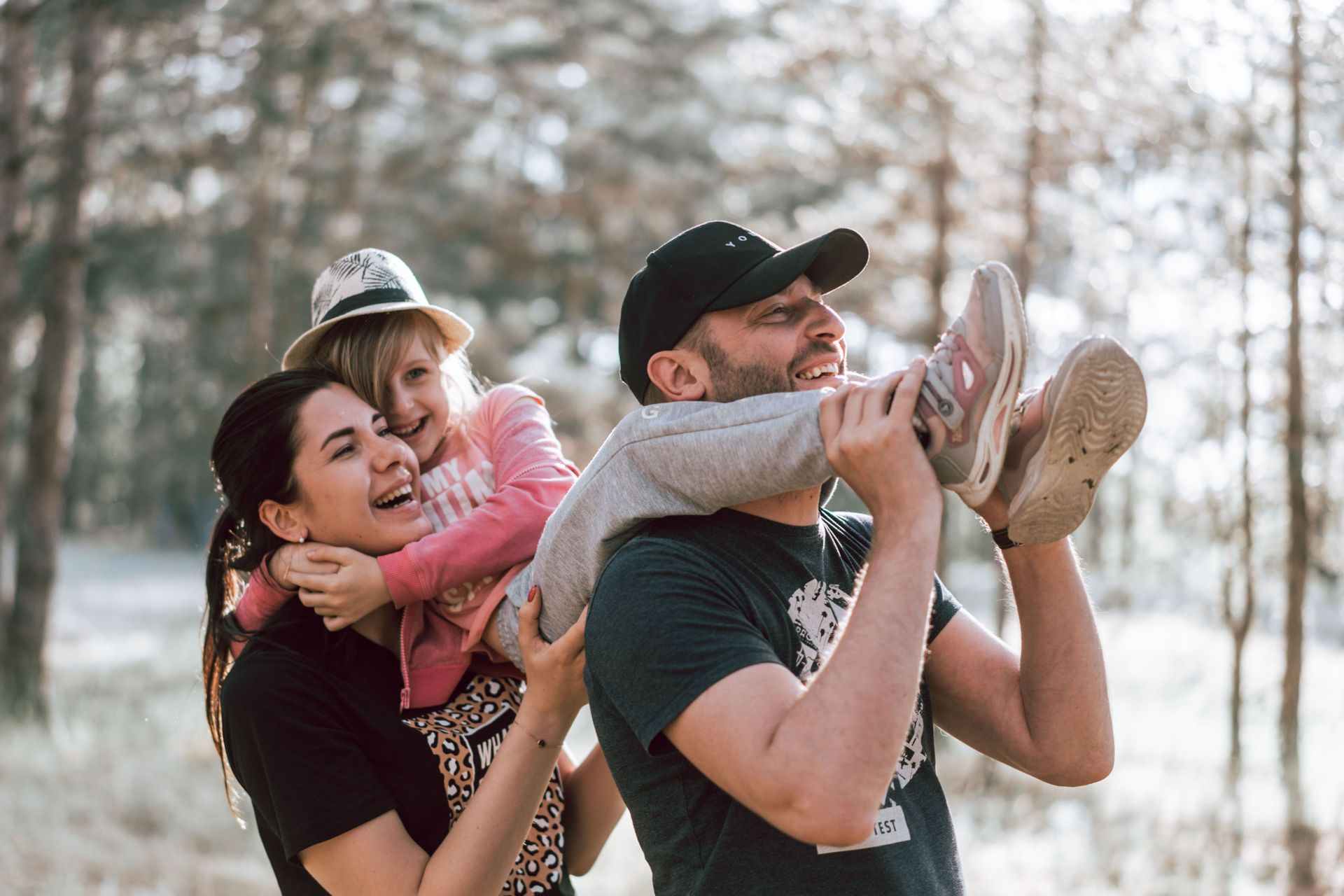
Weighing whether to stay together for the kids? Explore what a Relational Life Therapy approach reveals about love, conflict, and your children's wellbeing.
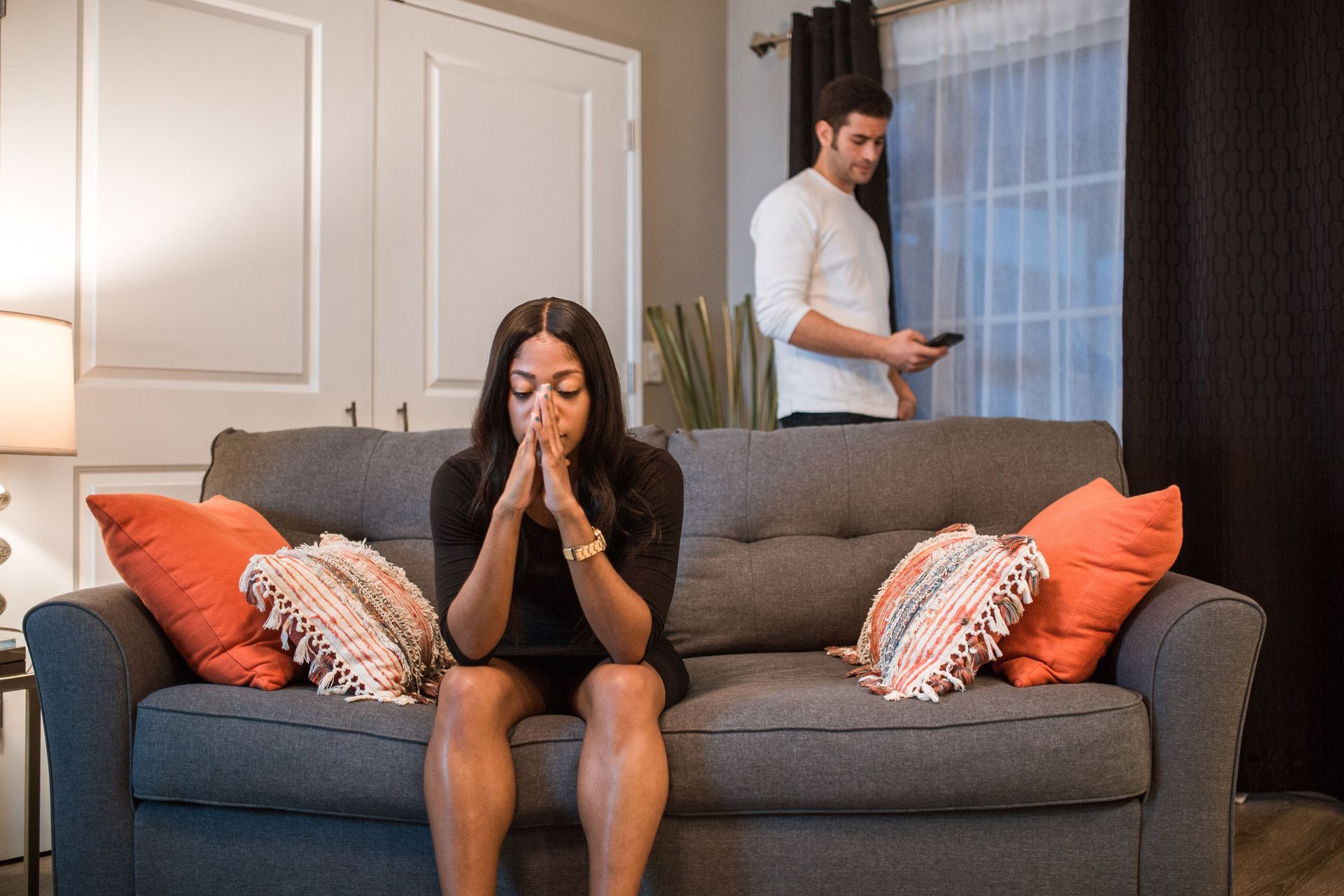
Some men enter relationships with confidence, charm, ambition, and an impressive ability to take up space. They may be charismatic, persuasive, successful, or deeply certain that their way of seeing things is the right way. At first, this confidence can feel attractive. A partner may experience him as decisive, protective, passionate, and exciting. But over time, what initially looked like confidence can begin to feel like entitlement. Conversations become competitions. Feedback feels like an attack. His needs dominate the relationship, while his partner’s experience is minimized, corrected, or ignored.
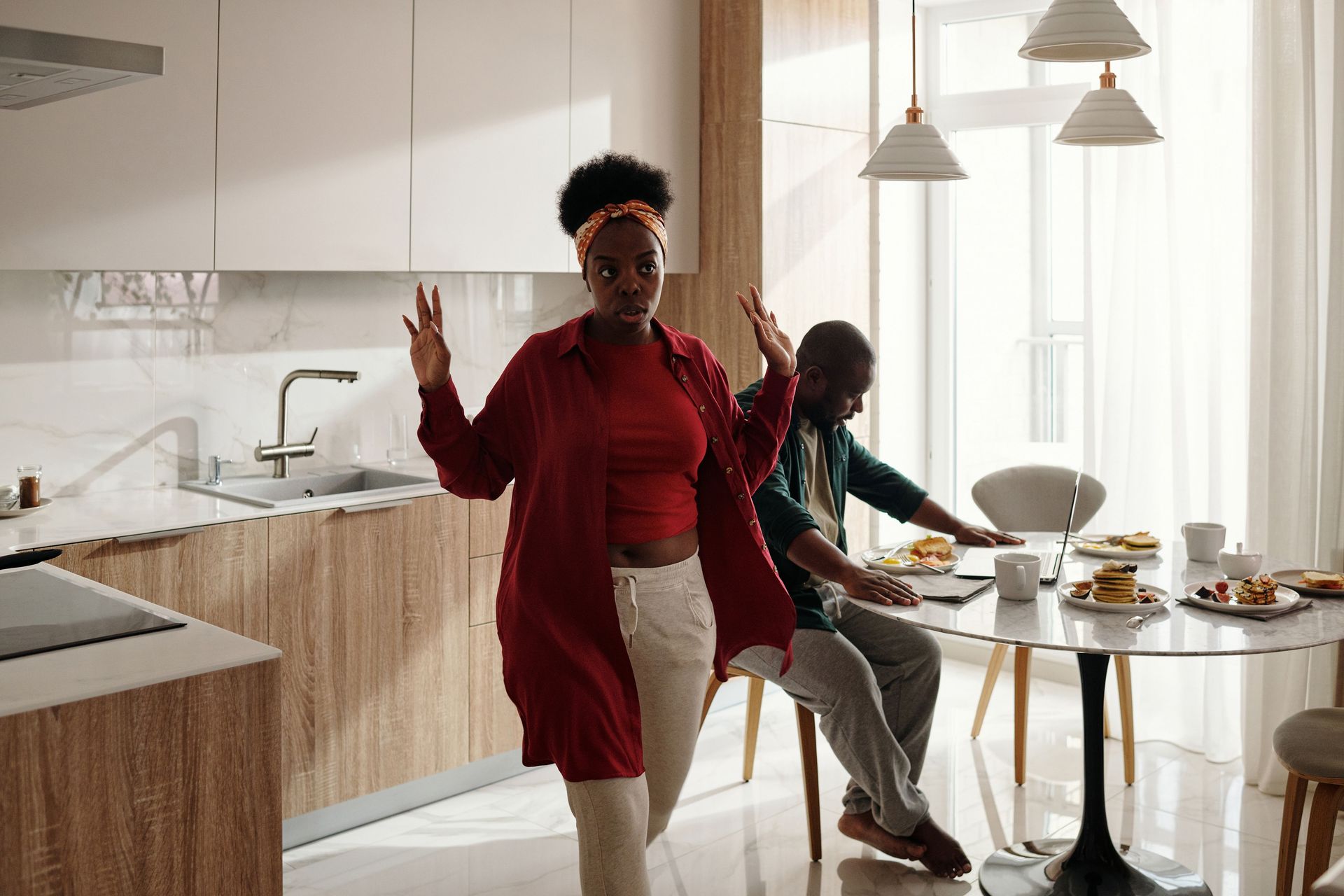
Relational Life Therapy (RLT) is known for its directness, its focus on accountability, and its commitment to helping couples move out of stalemate and into real change. But one of the most overlooked skills that makes all of that possible is something quieter, subtler, and profoundly powerful: relational mindfulness. Relational mindfulness is not just about being calm or present. It is the capacity to stay aware of yourself, your partner, and the dynamic between you in real time, especially when things get hard. This is where the transformation lives.

Is your relationship feeling distant or polite? Discover how Relational Life Therapy brings truth and healing. Explore couples therapy in Calgary today.

A healthy relationship is not built by accident. It develops through repeated patterns of connection, repair, and mutual care. One of the most useful questions a couple can ask is not only, “How are we doing?” but also, “What kind of relationship are we trying to create
together?”