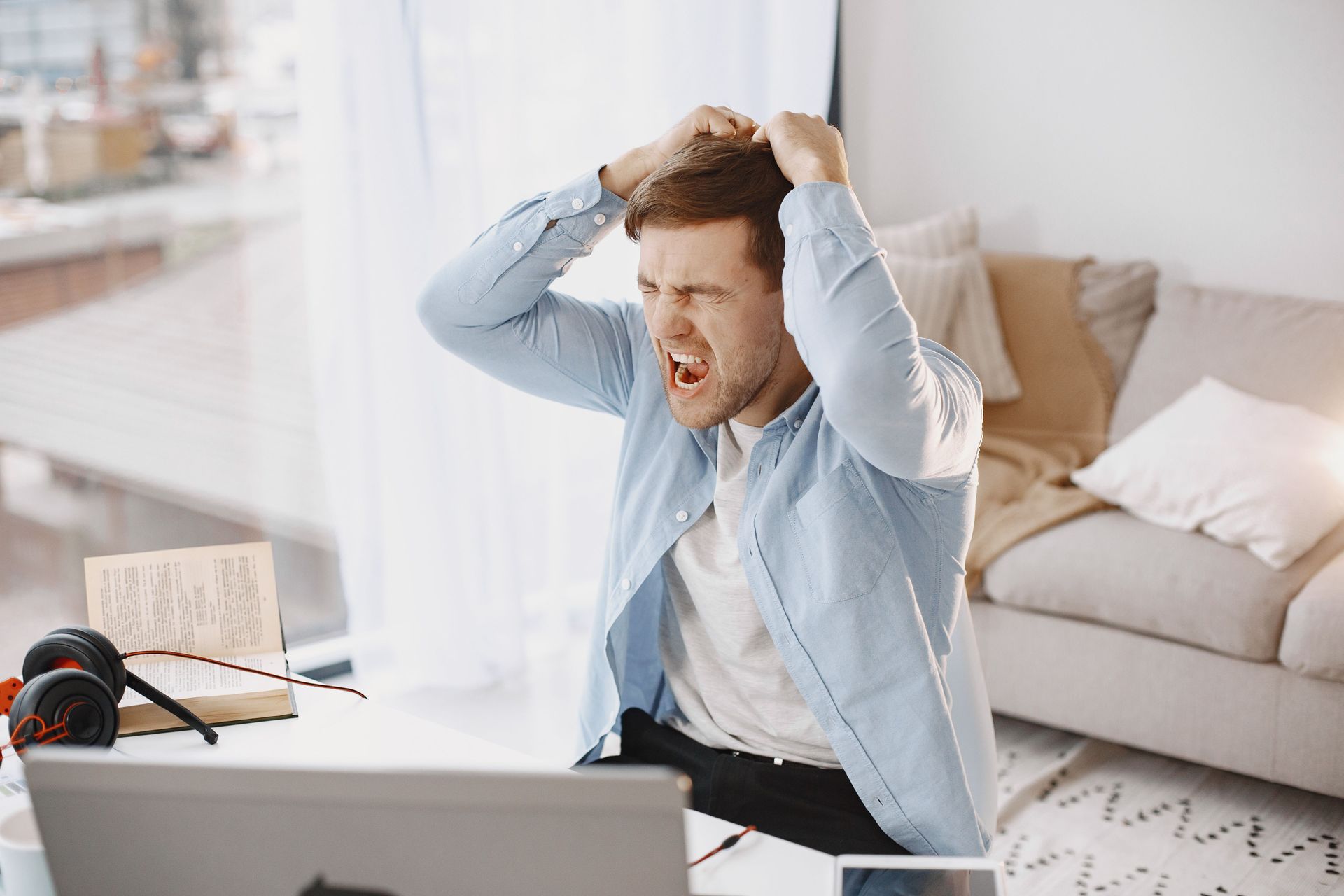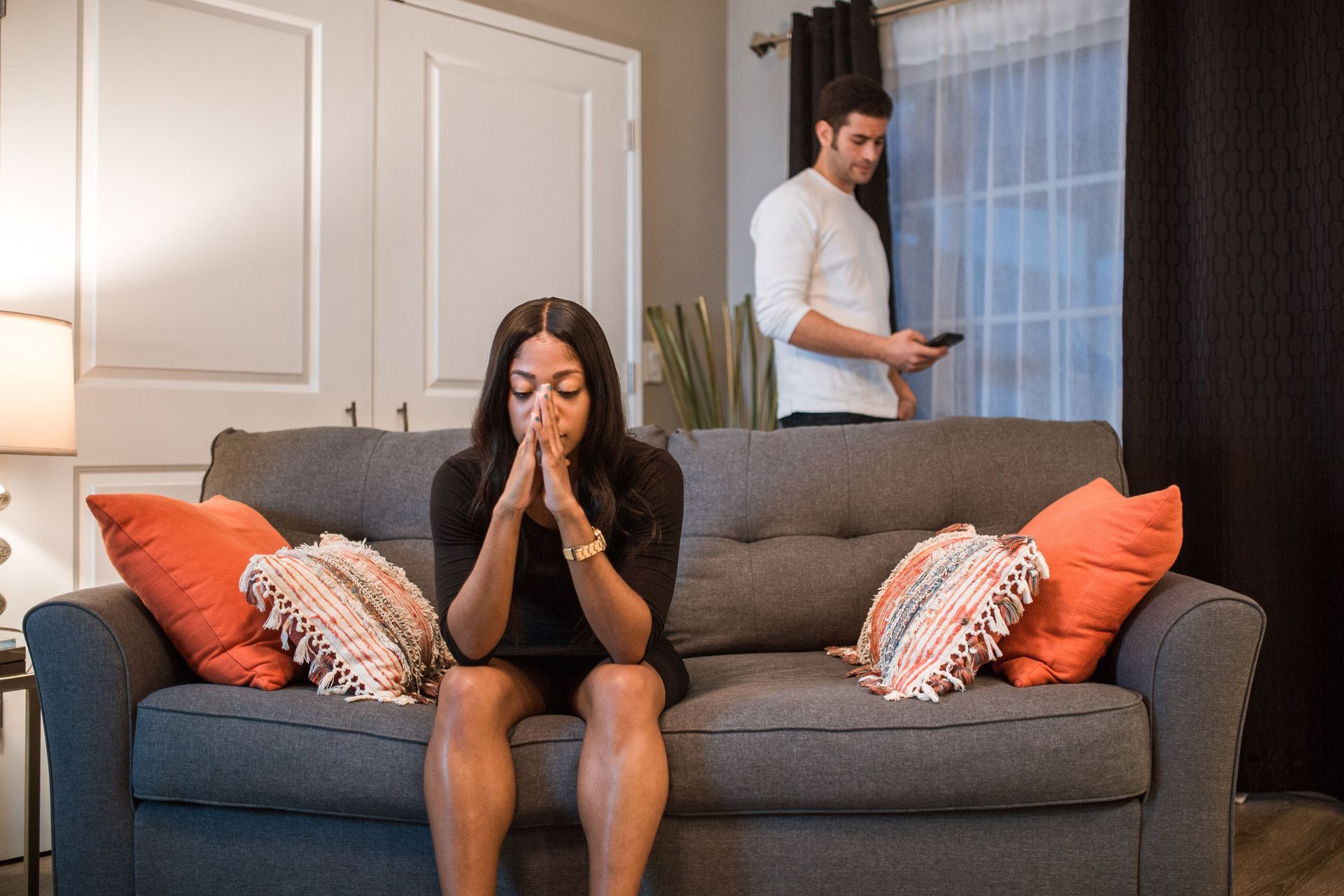
What are the Holiday Blues?
Feelings of sadness that last throughout the holiday season—especially during the months of November and December—are often referred to as the holiday blues or holiday depression.
The holidays are usually viewed as a time of happiness and rejoicing. But for some people, it can be a period of painful reflection, sadness, loneliness, anxiety and depression.
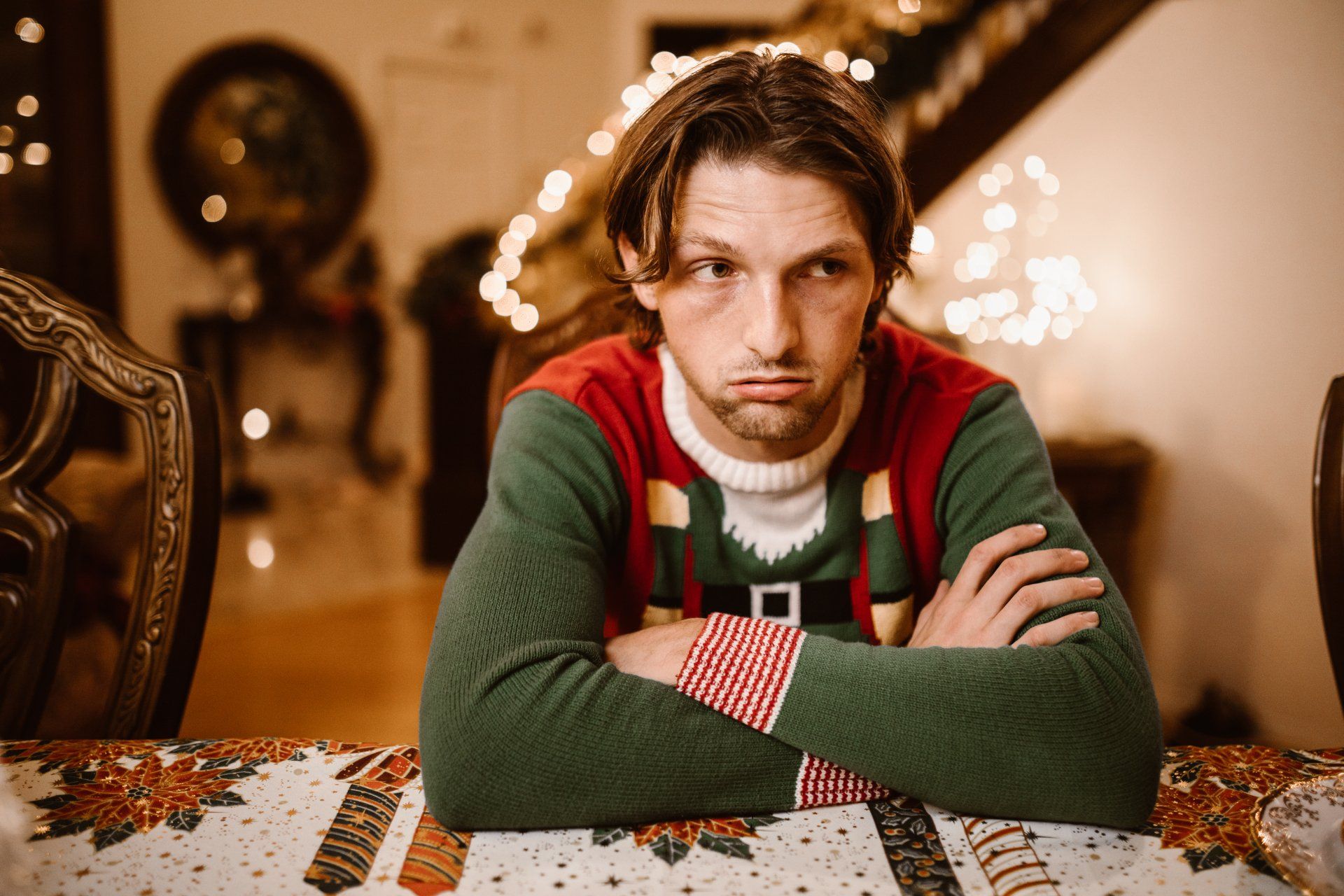
Even people who love the holidays can experience the blues during this busy season. The holidays are often a time of high emotion and demands, which can leave a lot of people feeling stressed and exhausted.
People with a prior mental health condition may be even more prone to experiencing holiday depression. According to the National Alliance on Mental Illness (NAMI), 64% of people with an existing mental illness report that the holidays make their condition worse.
Signs & Symptoms
The most common symptom of holiday depression is a persistent or recurring feeling of sadness begins during the holiday season. This feeling may vary in intensity and duration. Some people might feel down periodically, but experience brief periods of feeling more upbeat.
Some signs of holiday depression might include:
- Changes in appetite or weight
- Changes in sleep patterns
- Depressed or irritable mood
- Difficulty concentrating
- Feelings of worthlessness or guilt
- Feeling more tired than usual
- Feeling tense, worried, or anxious
- Loss of pleasure in doing things you used to enjoy
Feeling sad during the winter and holiday months may also be a sign of seasonal affective disorder (SAD). It is a form of major depressive disorder (MDD) that occurs in seasonal patterns during certain months of the year.
Holiday Depression vs. SAD
Holiday depression and SAD can be difficult to distinguish from one another, but the duration and severity of your symptoms are usually your best clues.
Holiday Depression
- Starts around November or December and lifts shortly after the new year ends
- Symptoms are fairly mild
SAD
- Typically lasts about 40% of the year—starting in the late fall and early winter until the spring and summer.
- Often more severe and can be debilitating
If the holiday season passes and you're still feeling depressed or anxious, you should talk to your doctor or a mental health professional to determine if what you are experiencing is a more significant mood disorder.
Diagnosing the Holiday Blues
The holiday blues is not a recognized psychiatric condition in the Diagnostic and Statistical Manual of Mental Disorders (DSM-5), the manual used by clinicians to diagnose mental health conditions.
This does not mean that you should not talk to your doctor about any concerning symptoms. During your appointment, your doctor will ask questions about the types of symptoms you have been experiencing, including the duration and severity.
Your doctor can assess your symptoms and determine what they represent. Your doctor can also perform tests to check for any underlying medical conditions that might be contributing to your symptoms. Hypothyroidism, for example, can sometimes lead to fatigue and symptoms similar to that of depression.
Causes
There are a number of reasons why people might experience holiday depression.
Some of the possible causes include:
- Lack of sleep: A hectic holiday schedule can lead to a lack of sleep which increases stress.
- Excess eating and alcohol use: Unfortunately, people sometimes turn to unhealthy coping mechanisms to handle holiday sadness and stress. Excessive drinking and overeating can make the symptoms of holiday depression even more pronounced.
- Financial stress: Overextending yourself financially or struggling to afford gifts for family and friends can create an added burden of financial stress.
- Isolation and loneliness: Not being able to spend the holidays with your family and friends can make the holiday season seem especially lonely.
- Unrealistic expectations: Sometimes even having high hopes for the season can lead to holiday stress and sadness. The over-commercialization of the holidays can create the expectation that people are supposed to feel nonstop joy and holiday cheer, which can create pressure to feel a very specific way, adding yet another stressor to an already hectic time of year.
Because the holidays mark an impending new year, people may also begin to reflect on the past year and experience feelings of regret or failure. They might think about the goals they had and the things they wanted to accomplish and feel
upset if they did not meet those expectations.
It isn't just adults who are prone to seasonal sadness. Changes in routines, dealing with family problems, missing friends, and feeling stressed around the holidays can all contribute to feelings of sadness and depression in kids. Watch for the signs and talk to your child’s pediatrician if you are concerned.
Treatment
Unless you are diagnosed with major depression, your doctor probably won’t prescribe medications to treat your holiday depression symptoms. In many cases, holiday depression can be managed with lifestyle changes and social support. Your doctor may refer you to a mental health professional for psychotherapy.
Though the holiday blues are usually short-term, talking to a mental health professional can help. Your therapist can work with you to identify patterns of negative thinking that contribute to feelings of sadness and depression and to replace those thoughts with more helpful ones, an approach that is known as cognitive behavioural therapy.
Therapy can also help you develop better stress management, communication, and relationship skills that can be helpful in both the short and long term.
Coping With the Holiday Blues
In addition to talking to your doctor or a mental health professional, there are a number of things that you can do on your own to make the holidays easier to deal with.
Drink Only in Moderation
Alcohol is a depressant and drinking too much can exacerbate any negative feelings that you might have. This doesn't mean you need to go cold turkey. Instead, limit your consumption and avoid using alcohol as a way to deal with or
avoid difficult emotions. If you choose to drink, try to limit yourself to one or two alcoholic drinks when you are out at social functions.
Don't drink alcohol if you're feeling down. Excessive drinking will only increase your feelings of depression.
Don’t Isolate Yourself
Social isolation can be a major risk factor for depression. The problem is that sadness often makes you want to hide by yourself at home. And if you are on your own apart from family for the holidays, reaching out and finding social support be
all the more difficult.
Look for ways that you can enjoy social connections, even if you aren’t able to go home for the holidays. If you’re feeling lonely, ask a friend to come over for a heart-to-heart. Join a local club, volunteer for something you believe in, or even
see a counselor for support.
Exercise Regularly
While it can be difficult to stick to a workout schedule when you are feeling down, research has shown that regular physical activity can play an important role in preventing and reducing symptoms of depression.
So while hitting the gym can be tough when you are stressed, busy, and feeling sad, try to remember that you don’t need to glue yourself to the treadmill or weight machine to feel the benefits.
Even a casual activity like going for a short walk each day might be enough to help keep the holiday blues at bay.
Learn to Say 'No'
The holidays often mean that there are more people asking for help and making demands on your time and resources. Holiday party invites can turn into stressful social obligations. Small favors for friends can morph into huge projects that you didn't anticipate. Avoid overcommitting by knowing your limits and learning how
to say “no”.
Find Time for Yourself
Make sure that you leave enough time for yourself to relax. Even 15 to 20 minutes a day to enjoy some quiet time, read a book, listen to music, take a bath, do yoga, or some other relaxing activity can do wonders for your stress levels.
Set Realistic Expectations
It’s fine to be excited about the holidays and make plans for the things you want to do. But it is also important to keep your expectations realistic and reachable.
Holidays change just as people change. Kids grow older, people move, and new people will become a part of your life. The key is to focus on those connections, create new traditions, and remember past holidays with fondness while still enjoying the one right in front of you. Focus on enjoying the experience and the time you get to spend with your loved ones rather than on achieving a picture-perfect end result.
The holidays don’t have to be perfect to be special. They don’t have to be exactly like the holidays of the past to be just as meaningful and memorable.
How to Get Help
If the holiday blues turn into something more serious or if your sadness doesn’t ease after the holidays are over, your symptoms might be a sign of something else. You might have a condition such as major depressive disorder, and you might need to explore other treatment options including psychotherapy and medications.
If your symptoms aren’t getting better or you are struggling to function as you normally do, it’s time to talk to your doctor or mental health professional.
Register for our Newsletter and receive a Free Love Chat Package
- The 5 Steps to a Better Relationship
- Ongoing Monthly Relationship Tips
- If you want more love in your life, our relationship Love Chat Package is an easy cost-free first step.